A haunting story of a mother who will do anything to protect her daughter, including break the law,
if she must.
ON SALE JUNE 18th
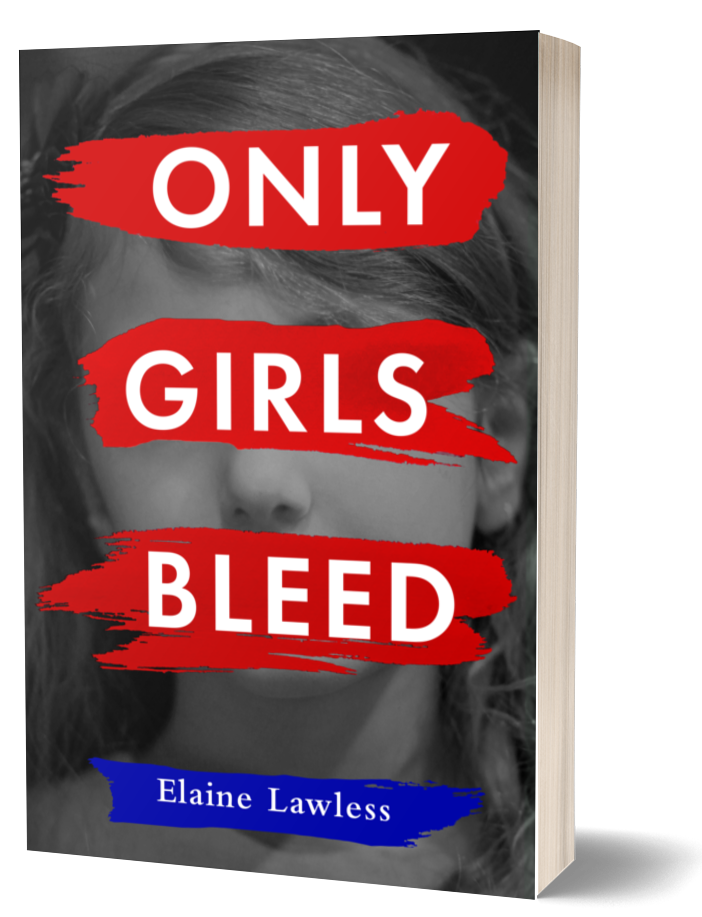
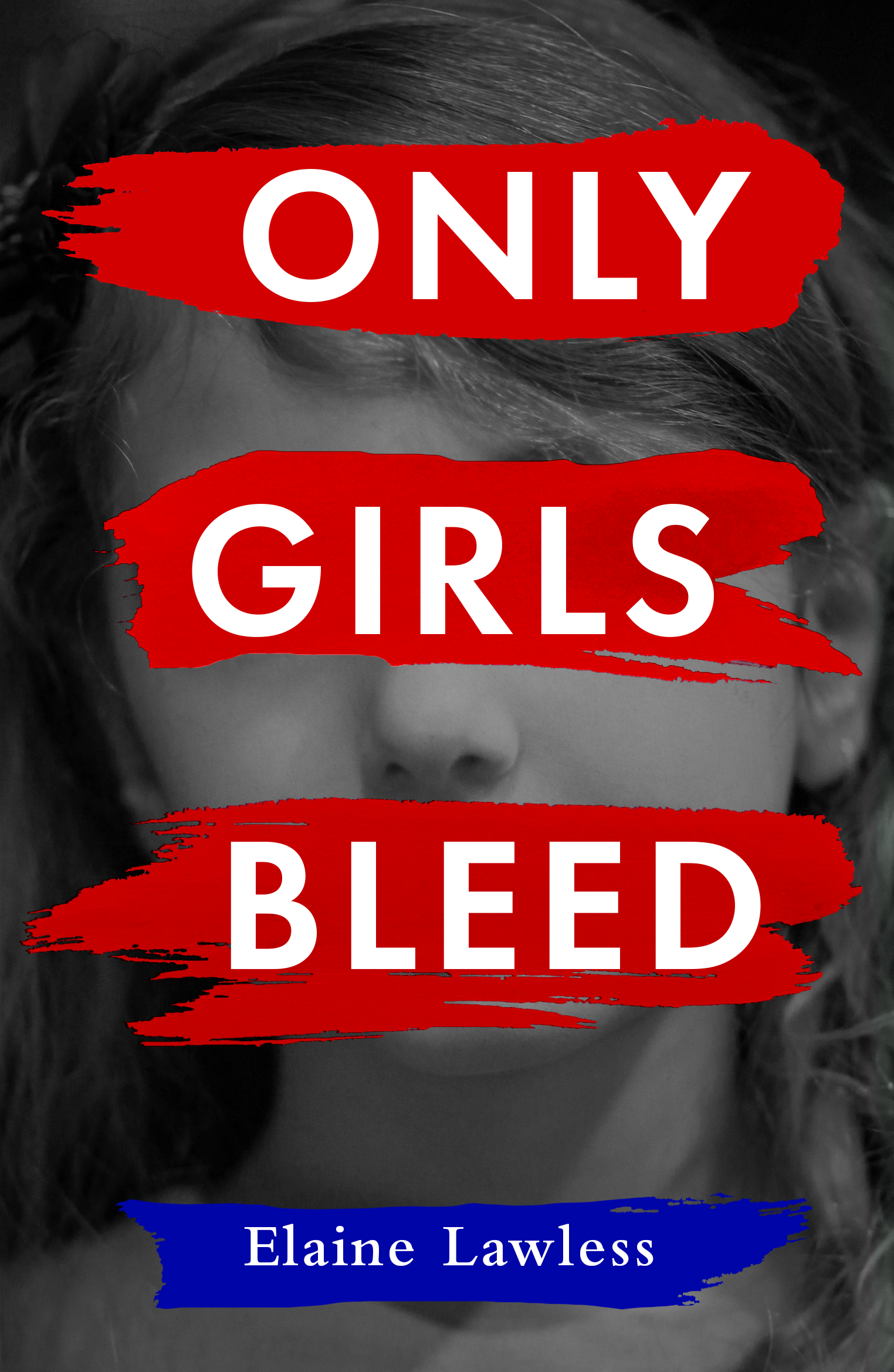
About Only Girls Bleed
In the isolated Missouri Bootheel, Alice Campbell is barely surviving. Her husband has disappeared. Her young daughter, Molly, is suddenly unable to walk, and plagued by night terrors no doctor can explain. Then Alice uncovers the unthinkable truth behind Molly’s suffering. In a moment of confrontation and chaos, Alice flees with her daughter, unsure if the man responsible is dead or alive.
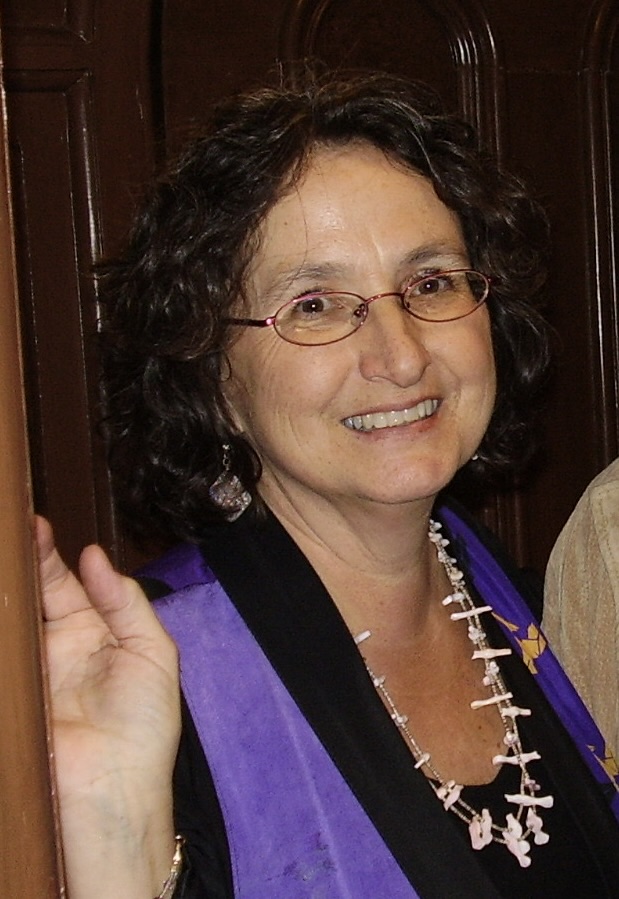
About Elaine
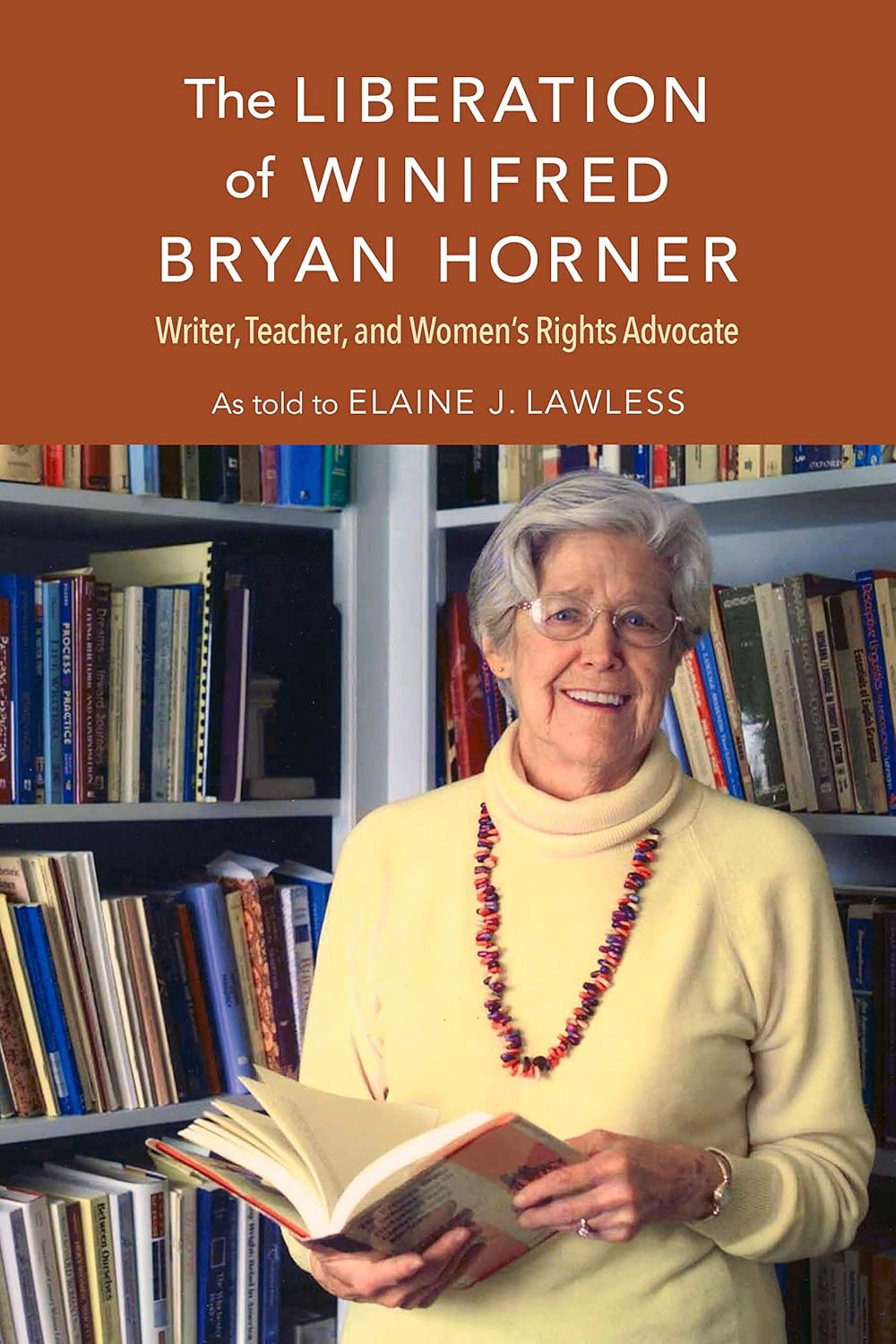
Elaine Lawless has always been interested in the stories that women tell. Even as a child, growing up in rural Missouri, she noticed that the women were never regarded as fine storytellers, unlike the men who were honored for their oral performances. Early in her career, she devoted herself to documenting spaces where women were “permitted” to speak and tell their stories, including religious testimonies, sermons, and the domestic worlds of childbirth and motherhood, violence, healing, and death. For years, she recorded women’s stories and wrote about them in scholarly books and articles. In 2020, she moved to North Carolina to write fiction full time. Her novels continue to be inspired by the stories of women she came to know so well.
Praise for Only Girls Bleed
“We found your book to be both timely and profoundly resonant. It delivers a stark and unflinching portrayal of the times we live in. It is difficult to read, yes, but all the more important for it. We were deeply moved by the clarity and urgency of your message. It’s not an easy story to tell, but you’ve done so with honesty and power.”
—Commissioning Editor,
Legend Press, UK
“You did it! I loved the way you accurately showed the help of Ruth’s friends, the ‘Navigators,’ and the role of the lawyer, the social worker, the psychologist, the physical therapist, all the professional women both Alice and Molly needed to get the help they needed.”
—Beta reader, Social Worker
“I loved this book. The part of your book about ‘Blessed Mary’ was chilling, illustrating how far some people will go to trick girls and women into giving birth even when they’ve decided they cannot, or should not, keep a pregnancy. That said, you do a fair job of showing both sides of the ‘abortion issue.’”
—Beta reader, Psychologist
Also by Elaine